

Everyone knows the problem: the room is small, but the amount of clothes seems endless. Especially in small spaces, choosing the right wardrobe becomes a real challenge. But don't worry! There are countless ideas, solutions, and tricks to help you create a storage miracle even with limited space—one that's not only functional but also matches your style and your home.
In this guide, you'll learn everything you need to know to find the wardrobe that perfectly fits your room's layout and helps you make the most of your space. From clever furniture options to intelligent storage systems — here you'll find the best tips for your room.
Table of contents
- Limited space? Why the right wardrobe choice matters in small rooms
- The art of space-saving: core principles for small rooms
- Wardrobe types for small rooms at a glance
- Materials and colours: how to make small rooms feel bigger
- Smart interior organisation: every detail counts
- DIY ideas and hacks for maximum space utilisation
- Planning and measuring: avoid mistakes
- Frequently asked questions (FAQs)
Limited space? Why the right wardrobe choice matters in small rooms
The biggest challenge in small rooms is limited space. If your wardrobe is too bulky or poorly positioned, a room can quickly feel cramped and messy. Yet the need for effective storage of clothes and garments is essential for organisation and comfort.
The benefits of the right choice are obvious: you not only create more order for your favourite pieces, but also make the room feel visually larger. A well-thought-out solution improves your room's overall functionality and your comfort at home.
The art of space-saving: core principles for small rooms
Before we look at different wardrobe types, it's worth understanding the fundamental principles of space-saving in small rooms:
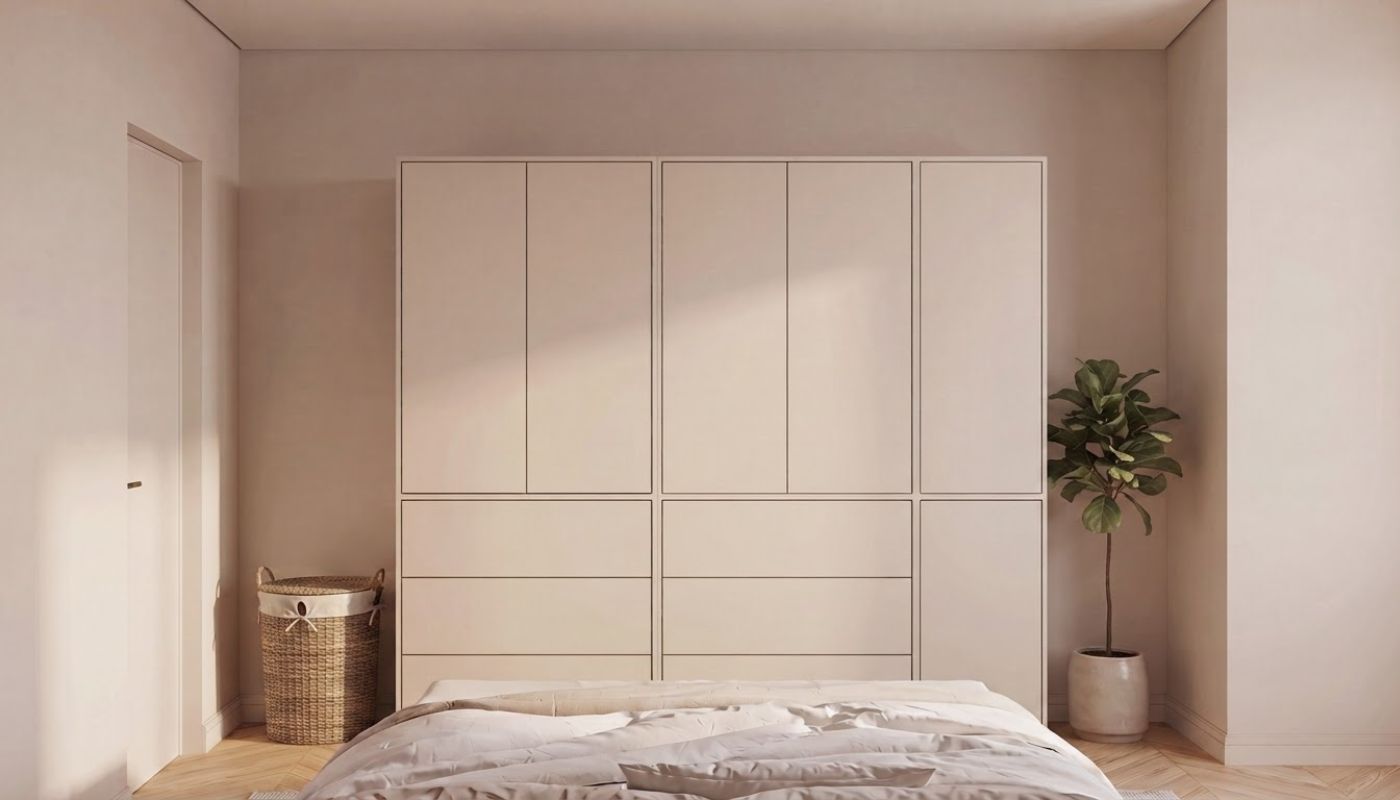
Vertical space: The ceiling is often an untapped storage asset. Think up! A wardrobe that reaches all the way to the ceiling can offer surprising amounts of storage without taking up more floor space.
Multi-functional furniture: A wardrobe that does more is gold. This could be pieces that work as a bench, room divider, or even a desk at the same time. Every piece of furniture that serves multiple purposes saves valuable space.
Smart placement: Think carefully about how to visually expand your space. Positioning furniture along one wall can create an open area in the middle, making the room feel larger. The depth of your wardrobes also matters.
Wardrobe types for small rooms at a glance
Here are different wardrobe types and clothing storage ideas that work especially well in small rooms:
Corner wardrobes: Unused corners are often wasted space. Corner wardrobes are true storage powerhouses that make optimal use of this area and can offer surprisingly large storage for your clothes.
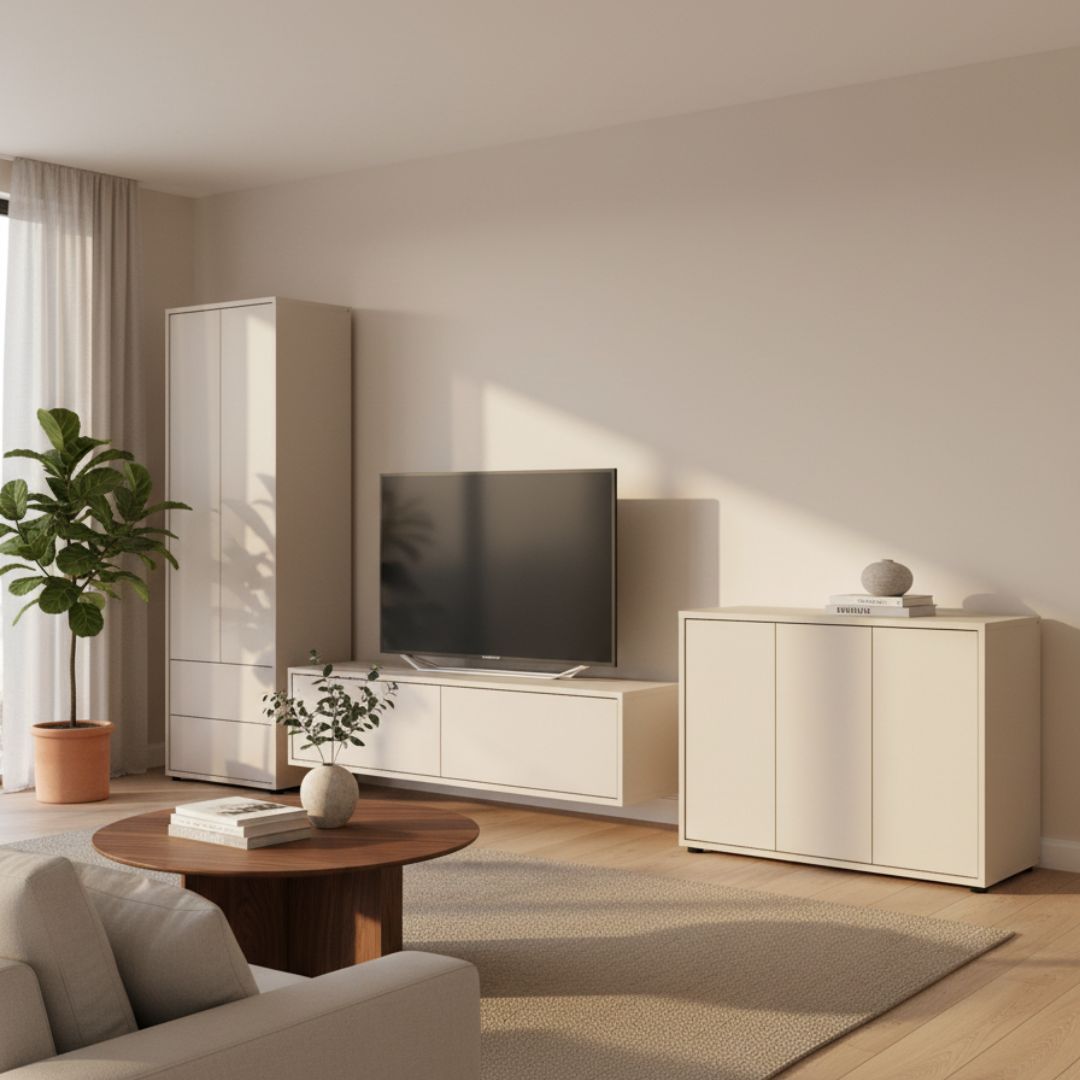
Modular wardrobes: If your room has unique layout challenges or you want maximum flexibility, modular wardrobes are an excellent solution. They can be customised and adapted to any nooks or sloped ceilings, so you can make the most of every inch.
Open wardrobes and shelving systems: An airy alternative is open wardrobes or shelving systems. They look less bulky than closed wardrobes and can make the room feel larger. Organisation is especially important here, though, since everything is visible.
Wardrobes with mirror fronts: Mirror doors or large mirror surfaces create a clever optical illusion for a more spacious feel. The mirror reflects the room and instantly makes it look bigger and brighter. Plus, you save space you'd otherwise need for a separate mirror.
Materials and colours: how to make small rooms feel bigger
It's not just the wardrobe type that matters—materials and colours play a major role in designing small rooms. Light colours like white, cream, or pastels on wardrobes and walls make the room feel more open and spacious. They reflect light and create a friendly atmosphere, while you should avoid dark patterns or dominant colours, as these can make the room feel smaller. Transparent or glossy surfaces are also ideal: mirror doors, as well as other shiny finishes or even glass fronts on wardrobes can reflect light and help visually expand the space. Also pay attention to lighter materials; avoid overly bulky pieces made from heavy materials. Lighter wood types or furniture with a sleek design feel less overwhelming in a room with limited space.
Smart interior organisation: every detail counts
A cleverly organised wardrobe is the key to using every inch of storage space and keeping things tidy.
Pull-out elements: Drawers, baskets, and hanging rails that pull out give you a better overview of what's inside and make it easier to access your clothes. You won't have to dig around in the back of the wardrobe.
Organisation systems: Dividers, boxes, organisers, and bins are essential for sorting and stacking clothes. Everything stays in its place, and you can efficiently store smaller items like socks and accessories.
Wardrobe lighting: Built-in lighting helps you quickly find the garment you want and prevents chaos. This creates not only order, but also comfort in your dressing area or bedroom.
DIY ideas and hacks for maximum space utilisation
Sometimes it's the small tricks and solutions that make the difference and help you make the most of your space:
Wardrobe toppers: If your wardrobe doesn't reach the ceiling, use the unused space above it. Wardrobe toppers are a simple way to create additional storage upward.
Over-the-door solutions: The back of your bedroom door often holds untapped potential. Use hanging organisers, rail systems, or flat shelves for clothes, accessories, or shoes.
Rolling wardrobes: If you want flexibility on demand, rolling wardrobes or hallway furniture systems are a good idea. You can move them as needed and adapt your space accordingly.
Curtains instead of doors: In a small room, curtains in front of an open shelving system or a nook can hide your wardrobe and make the space feel softer and less bulky than rigid doors.
Planning and measuring: avoid mistakes
The best idea is only as good as its execution. Careful planning is essential to avoid mistakes: measure your room and the planned space for your wardrobe with precision. Take into account door and window openings as well as the depth of wardrobes so there are no surprises. Before you buy or build, sketch your ideas or use online planners. This helps you better visualise how the wardrobe will look in your room and whether it really helps you make the most of your space. Set a realistic budget and keep costs under control. Remember that a good investment in the right piece of furniture pays off in the long run.
Frequently asked questions (FAQs)
Are there special wardrobe types for children's rooms with limited space?
Yes, for children's rooms growing wardrobe systems, modular wardrobes, or wardrobes with integrated desks or changing tables often work well. Colourful bins and open shelves can also maximise storage and encourage kids to stay organised.
How do I find the right wardrobe if my room only has a small wall section available?
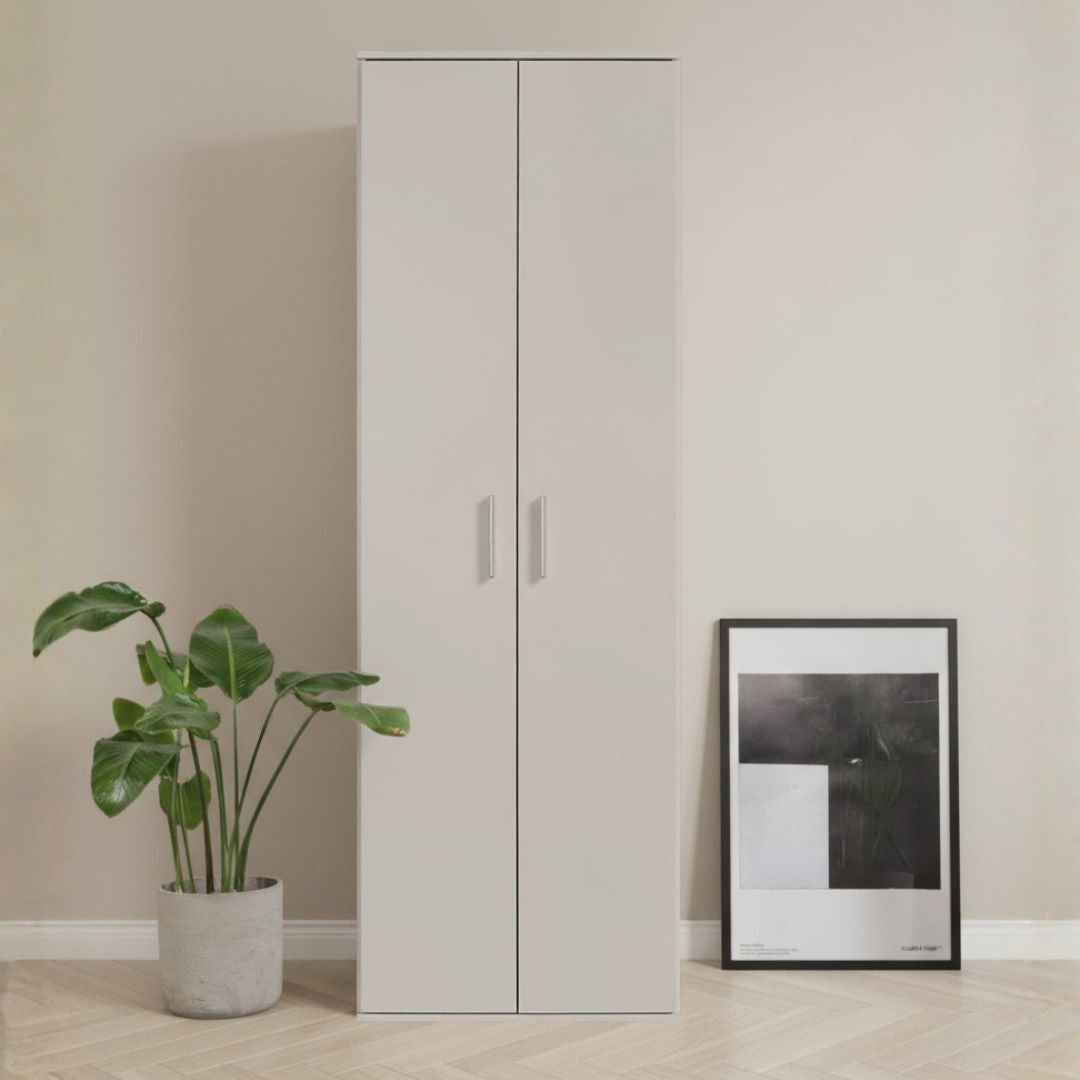
If only a small wall section is available, narrow tall cabinets that use the full height of the room are an ideal solution. Corner wardrobes can also work wonders in tight spaces. Sliding doors are also advantageous here since they don't need extra room to open.
Are there special wardrobe concepts for small bedrooms that store both clothes and bedding in a space-saving way?
For small bedrooms, built-in wardrobes that fully utilise wall space are especially efficient. Wardrobes with integrated beds (bed wardrobes) or storage beds with drawers underneath are also excellent storage solutions. Tall cabinets with deep drawers or adjustable internal shelves work well for both hanging clothes and stacking bedding.